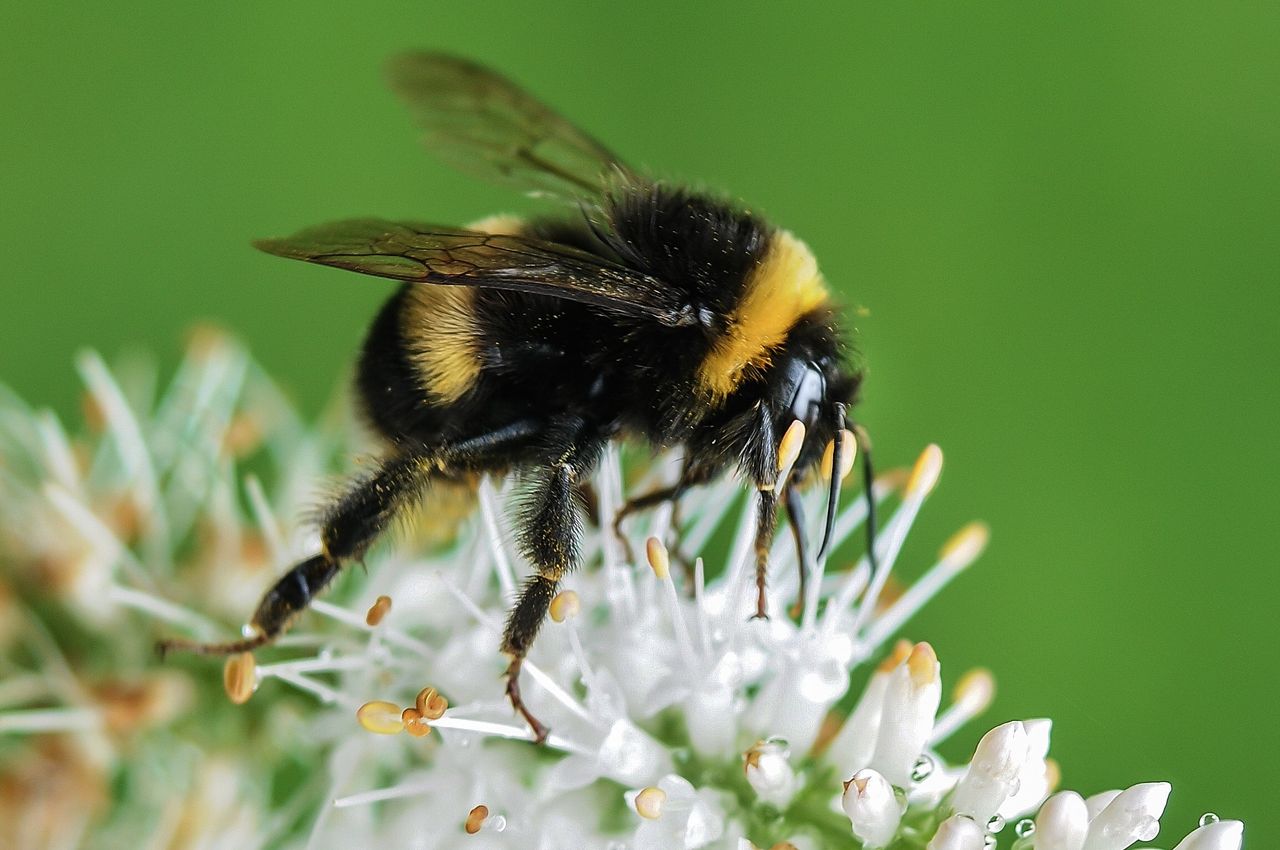
Start With the Question Nobody Asks: Does It Need Removing?
Over half the bumblebee calls we take from Manchester end with
nobody being booked, and we count that as the right outcome. A
bumblebee colony peaks at a few hundred placid insects, harvests
pollen rather than your lunch, and shuts itself down by early
autumn without any help. Compared with a wasp nest it is a
houseguest, not an infestation. British bumblebee numbers have also
fallen hard over recent decades, so a nest that can be tolerated
for a couple of months should be. Where one cannot, the treatment
exists, the price is £70, and the sections below
explain how we draw the line.
The nests we get called about
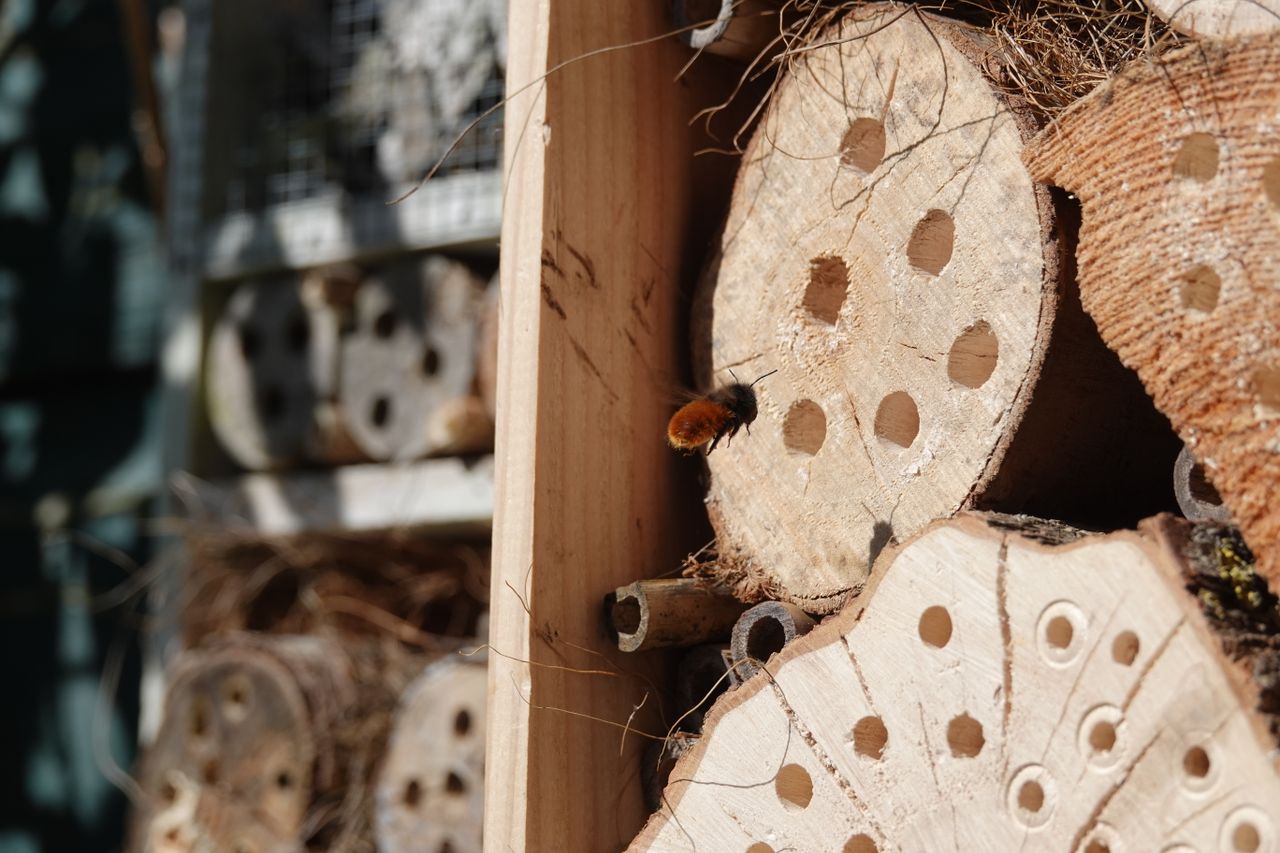
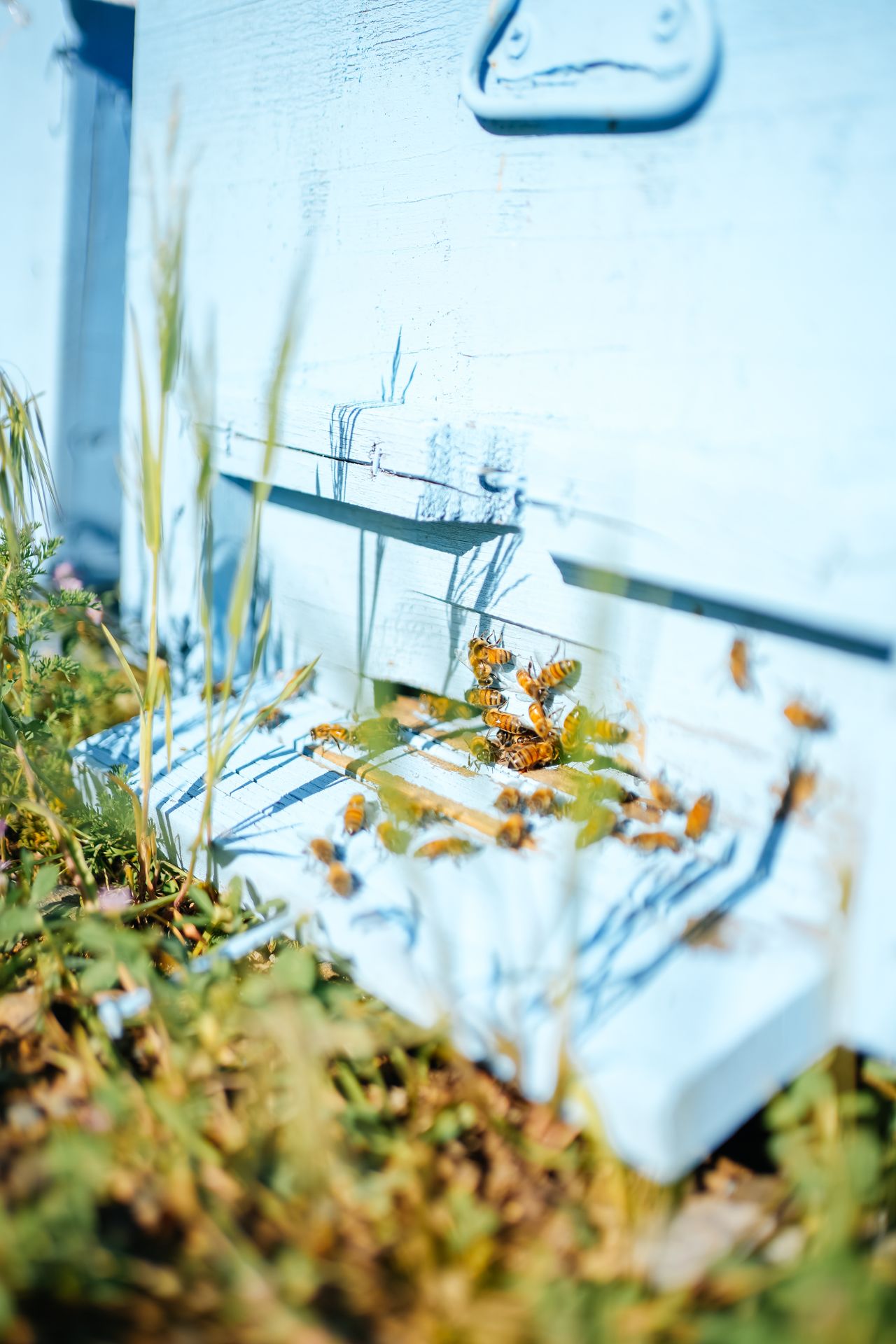
Arrivals at a small opening, typically a bird box or soffit gap.Peak-season traffic at an entrance hole.
Around Manchester the same handful of sites come up again and
again. The bird box on the fence is the classic, colonised by Tree
Bumblebees within weeks of the blue tits leaving. Compost heaps and
the dry ground beneath sheds and decking suit the burrow-nesting
species, which recycle abandoned mouse holes. Lofts, soffit gaps
and tumble-dryer vents make up the rest, and it is these
building-cavity nests, nearly always Tree Bumblebees, that
produce the few situations where treatment earns its keep.
The Tree Bumblebee caveat
One species accounts for most of the genuine problems. The Tree
Bumblebee reached Britain around the turn of the millennium, spread
north quickly, and unlike the native species prefers to nest above
ground in exactly the cavities houses provide. Its workers hover in
a loose cloud outside the entrance, and it objects to disturbance
more readily than any native bumblebee. A Tree Bumblebee colony in
a bird box at the bottom of the garden is still best ignored. The
same colony above a back door, or in a soffit over a child's
bedroom window, is a fair candidate for treatment.
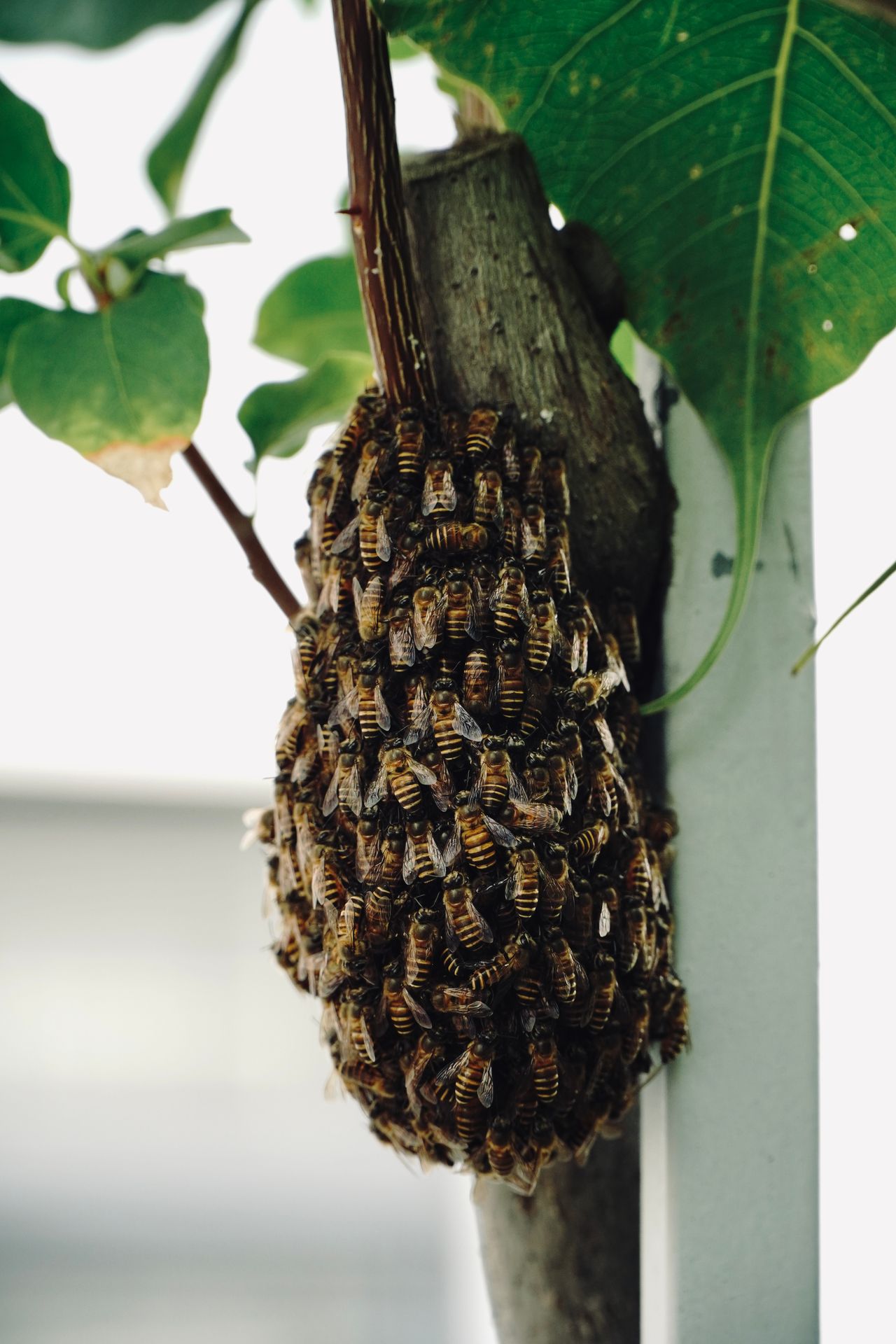
Midsummer is the noisy peak. From here the colony only winds down.
Where we draw the line
Our test is simple: can the household reasonably avoid the nest
until autumn? Treatment makes sense when the answer is no. That
usually means one of the following:
A confirmed insect-sting allergy in the house, where any avoidable risk is one too many.
An entrance directly over a doorway, pram store, or path with no alternative route.
Bees emerging inside living space through a light fitting or vent.
A rental or HMO where the landlord carries the liability and the tenants cannot choose to tolerate it.
A blocked flue or extractor vent that the household needs working.
Toddlers or pets who cannot be kept away from a ground-level entrance.
How a bumblebee job runs
Everything starts on the phone, and the phone call is free.
Describe where the entrance is, who uses the space nearby, and
ideally send a photo, since species changes the advice. If the
nest can safely stay we say so and that is the end of it. If it
cannot, we book the visit, treat the colony in full protective
kit, and come back to seal the cavity once activity has ceased,
all inside the one £70 fee.
The same price applies across Manchester and
Greater Manchester, evenings and weekends included, and most
bookings are reachable the same day.
A request: put down the supermarket spray. Aerosols
rarely finish a colony, reliably provoke it, and waste a
pollinator the garden would rather keep. Two minutes on the phone
costs nothing and usually saves the bees and your money both.
Frequently Asked Questions
We don't offer relocation, and we'd be wary of anyone selling it as a routine service. Digging out or boxing up a bumblebee colony destroys the nest structure the queen depends on, and moved colonies fail more often than not. The realistic options are the two honest ones: leave the nest to finish its natural season, or treat it where leaving it genuinely isn't safe.
Weeks rather than months. A colony noticed in June is usually finished by late August or September, when the new queens leave to hibernate elsewhere and everything remaining dies off. The nest itself is never used a second year, so once the activity stops the problem has genuinely ended.
They can, and unlike honeybees a bumblebee survives stinging and can do it again. In practice stings are rare because the insects are so reluctant: away from the nest a bumblebee will all but climb over you rather than turn on you. The realistic risk sits within a metre or so of an entrance, or with the Tree Bumblebee, which patrols its doorway more assertively than our native species.
No. Bumblebees excavate nothing and chew nothing; they occupy space that already exists, usually lined with old bedding material from the mice that made it. There is no comb full of honey to leak, no paper structure spreading across the loft, and nothing to repair once the season ends beyond blocking the hole if you'd rather not host next year's tenant.
Treatment means identifying the species, confirming there is no reasonable alternative, then applying an insecticidal dust to the nest in full protective kit and returning to seal the entrance once the colony is gone. The £70 fee reflects that extra care and the second visit. It applies anywhere in Manchester and Greater Manchester, any day of the week.